- 0800 1337 444
- info@japaneseknotweedexpert.co.uk
- United Kingdom
If you’re buying, selling, or managing residential property in West Yorkshire, Japanese knotweed, as an invasive plant species, is generally identified during professional surveys rather than through everyday observation. It typically comes to attention when a transaction or survey highlights the need for documented reassurance.


Most people don’t actively search for Japanese knotweed. It usually comes to light during due diligence — when a survey raises a concern, a buyer seeks reassurance, or a lender requests confirmation before moving forward. At that stage, uncertainty can have a bigger impact than the plant itself.
Across West Yorkshire, properties — from detached and semi-detached homes to terraced houses — treat Japanese knotweed as a due-diligence matter. Professionals assess and record its presence rather than leaving it to assumption.
Having clear, documented information early often determines whether transactions or disclosure obligations proceed smoothly, and will determine if professional treatment is needed.
In West Yorkshire, routine inspections and conveyancing checks most often uncover Japanese knotweed, rather than it being assumed to exist.
Common triggers include:
Delays typically occur when information is incomplete or unclear, not when a documented assessment is already in place.
Addressing Japanese knotweed concerns early allows them to be managed proportionately, helping to avoid unnecessary delays or renegotiation. Waiting too long can trigger additional checks, especially in residential transactions where boundary spread might affect a buyer’s confidence, if left too long it can also cause structural damage.
In West Yorkshire property transactions, the main risk arises from uncertainty at the moment buyers, lenders, or advisers need clear reassurance.
Clear evidence early preserves options later.
| Situation | Why clarity is needed |
|---|---|
| Selling a property | buyers or their advisers may request documented reassurance before committing |
| Buying a property | early identification helps avoid complications after offers are agreed |
| Land or development sites | surveys and documented management measures clarify potential cross-boundary risk |
Japanese knotweed does not automatically prevent property transactions in West Yorkshire when it is properly assessed and documented.
However, unanswered questions — particularly where boundary spread is possible — can attract additional scrutiny from lenders or advisers if documentation is incomplete.
We provide professional Japanese knotweed surveys, treatment and removal services throughout West Yorkshire, including Leeds, Wakefield, Bradford, Huddersfield, Halifax, Dewsbury and surrounding areas, as well as parts of the East Riding of Yorkshire.
If Japanese knotweed is identified during a survey or transaction enquiry, the most effective next step is to obtain site-specific advice that clarifies the situation.
We establish whether a formal Japanese knotweed assessment is actually needed, based on your specific situation rather than assumptions.
We advise on what type of reporting would be appropriate, proportionate and acceptable to lenders, solicitors or planners.
By dealing with likely questions at the right stage, we help prevent delays, disputes or last-minute requests later in the process.
Handled early, knotweed becomes a managed factor, not a lingering constraint.
A privately owned detached home in Leeds with three Japanese knotweed stands in the garden, measuring approximately 1 m², 1.5 m², and 8 m².
The position of Stand 2 increased the risk that underground roots and rhizomes could extend beyond the property boundary, making clear documentation essential for the transaction.
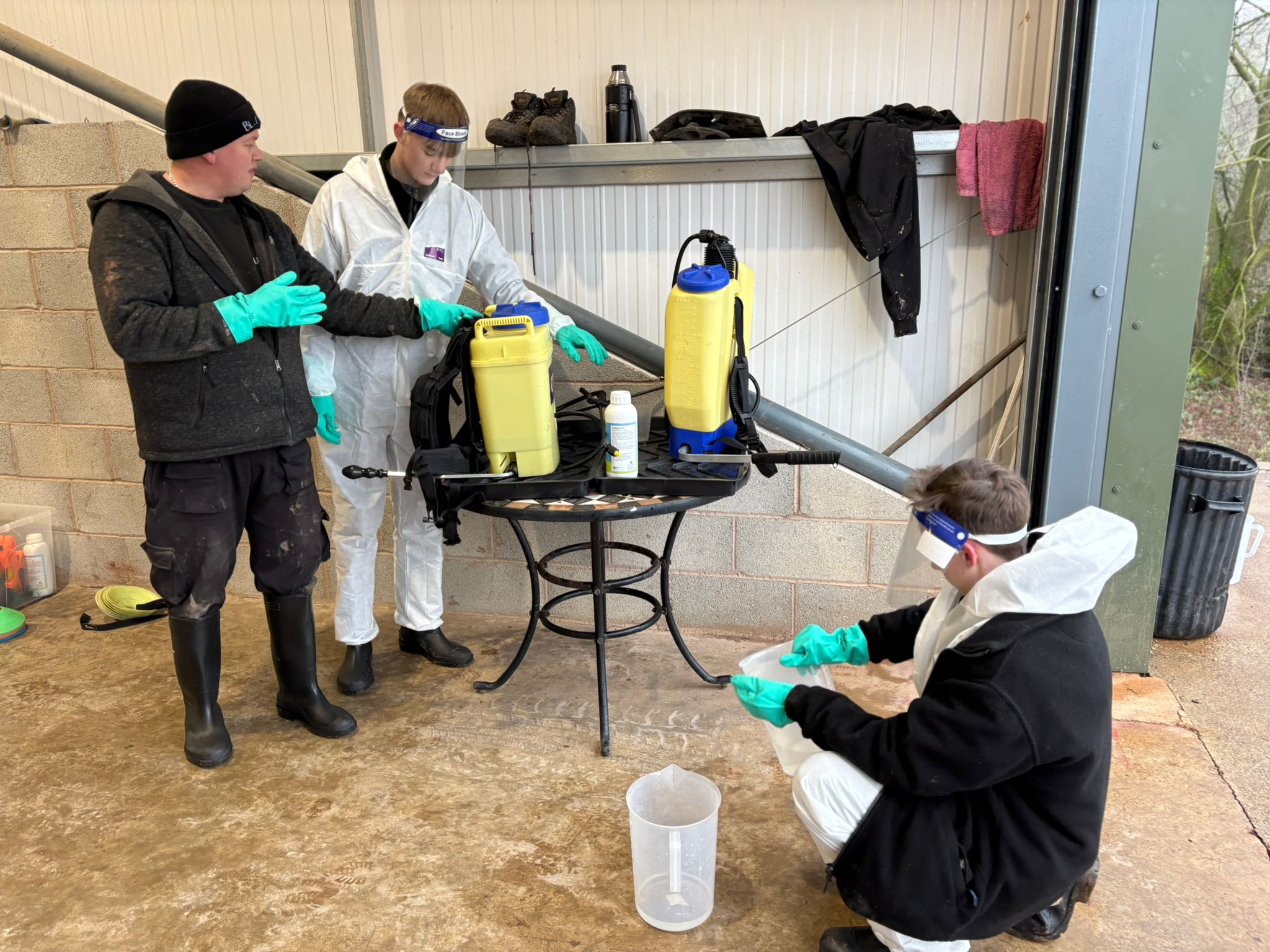
A professional assessment confirmed all three stands and recommended a documented treatment programme using targeted spraying and stem injection with a glyphosate-based herbicide to provide long-term reassurance.
The documented management plan addressed on-site growth and boundary considerations, providing transaction clarity and enabling progress, with treatment costs estimated at £3,739 + VAT.
Yes. We carry out Japanese Knotweed excavation and removal across West Yorkshire, including Leeds, Bradford, Wakefield, Huddersfield, and Halifax. We handle residential gardens, commercial sites, and redevelopment land of all sizes.
Japanese Knotweed is frequently found in West Yorkshire, especially along canals, rivers, railway lines, former mill sites, and brownfield land. Urban and suburban areas with older housing estates are particularly prone to infestations.
Excavation is often chosen in West Yorkshire when:
A property sale or mortgage is being arranged
Knotweed is close to buildings, walls, or drainage systems
Groundworks, landscaping, or construction work is planned
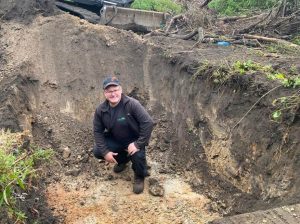
Excavation provides a fast and permanent solution, removing all affected soil and plant material.
All excavated knotweed is classified as controlled waste. It is transported by licensed waste carriers and disposed of at approved landfill sites, fully compliant with West Yorkshire and national environmental regulations.
Before excavation, we complete a site-specific risk assessment, particularly in dense urban areas, terraced housing, and properties near shared land or waterways. All work is carefully managed to prevent spread and minimise disruption.
Yes. Our excavation projects in West Yorkshire can include a long-term company guarantee, with the option of an insurance-backed guarantee. These are widely accepted by mortgage lenders, surveyors, and solicitors, giving reassurance for property transactions.