- 0800 1337 444
- info@japaneseknotweedexpert.co.uk
- United Kingdom

Latin plant names can seem confusing, but they are important for accurate identification. Scientists use them to create a clear and consistent system that avoids confusion between common names. This is especially important for invasive plants such as Japanese knotweed, which is often mistaken for other species.
Latin names also describe a plant’s characteristics, origin, and relationship to other plants. For Japanese knotweed, which has several names and close lookalikes, this helps ensure correct identification.
Japanese knotweed has been known by several scientific names, including Fallopia japonica and Polygonum cuspidatum. This has caused confusion in surveys, reports, and legal documents.
Recent scientific research has reviewed the plant’s structure and genetics. As a result, experts have reclassified Japanese knotweed into the genus Reynoutria. The accepted botanical name is now Reynoutria japonica.
However, the name Fallopia japonica is still widely used in UK legislation, guidance, and industry reports. For now, both names are correct and used interchangeably.
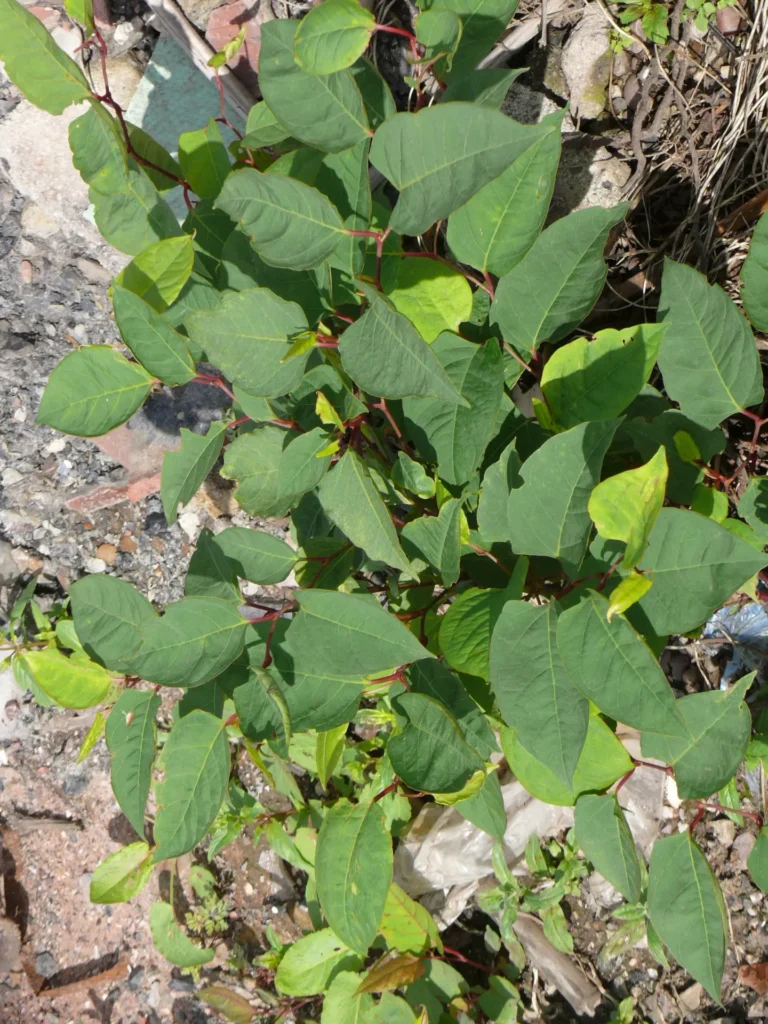
Correct identification is essential for effective Japanese knotweed treatment. The name change can sometimes cause confusion, especially when comparing Japanese knotweed with similar plants such as Russian vine or bindweed.
No matter which name is used, Japanese knotweed remains one of the most invasive plants in the UK. It spreads quickly through its underground rhizomes, often several metres beyond what you can see above ground.
If left untreated, it can damage hard surfaces, structures, and surrounding land. It can also reduce property value and cause issues during property sales.
Understanding both names helps you recognise Japanese knotweed in reports, surveys, and legal documents. This is important for homeowners, buyers, developers, and landlords.
Most people simply call it Japanese knotweed. This is the most widely recognised term.
In professional reports, you may see Reynoutria japonica or Fallopia japonica. Both names refer to the same plant.
Over time, Reynoutria japonica is likely to become more common. However, because many official documents still use Fallopia japonica, both names will continue to be used.
If you think you have Japanese knotweed, or need help identifying or treating it, our team can help.
Free Japanese Knotweed Identification
Send us a photo of the plant. We will confirm whether it is Japanese knotweed within 24 working hours. Our team is also available by phone if you need advice.
Japanese Knotweed Site Survey
We can arrange a professional survey at your property, often within 48 hours. You will receive a detailed report suitable for mortgage lenders, property sales, and legal purposes.
Japanese Knotweed Management Plan
We will create a clear plan that sets out the best treatment or removal method. This includes a treatment schedule and a full breakdown of costs.
Treatment or Removal
We offer a range of Japanese knotweed treatment options. For most residential properties, herbicide treatment is the most cost effective solution. For commercial sites, excavation and removal may be recommended to avoid delays.
Taking action early makes a big difference. The sooner Japanese knotweed is identified and treated, the easier it is to control and the lower the cost.
If you suspect Japanese knotweed or need advice on identification, treatment, or removal, our specialists are here to help. Get in touch to arrange a professional Japanese knotweed survey and receive expert guidance tailored to your situation.
Call us on 01782 479 444 or complete our online contact form to get started.
We are committed to delivering expert advice and excellent customer service. You can also read our testimonials to see how we have helped other clients successfully manage and remove Japanese knotweed.