Japanese Knotweed in Kent

When buying, selling, or managing a residential property in Kent, Japanese knotweed, as an invasive plant species, usually emerges during formal due diligence rather than everyday checks. Surveys or professional inspections typically reveal any potential concerns.

Does Knotweed Require Action?

Most people don’t actively look for Japanese knotweed. It usually comes to light during due diligence—when a survey flags a potential issue, a buyer seeks reassurance, or a lender requests confirmation before moving forward. At that stage, managing uncertainty becomes just as important as managing the plant itself.


Across Kent, properties range from terraced streets and suburban housing to individual plots. In all cases, Japanese knotweed is treated as a formal due-diligence matter, identified through professional assessment rather than assumed to be present.


What typically determines the outcome is how quickly any uncertainty is addressed and clearly documented.

Knotweed Triggers in Kent

In Kent, knotweed concerns generally emerge during survey inspections or conveyancing enquiries rather than from assumptions about the property.


Common triggers include:

Lender or adviser requests for confirmation prior to commitment

Why Early Clarity Makes a Difference

Addressing Japanese knotweed questions early allows them to be handled efficiently, reducing unnecessary stress and preventing delays in property transactions. Leaving clarification until later can trigger extra checks or renegotiation requests, especially when multiple parties are coordinating completion dates, it can also increase the risk of a Japanese knotweed infestation if present.

In Kent property transactions, the main risk isn’t the plant itself—it’s the uncertainty that arises when others involved in the process need reassurance.

What This Means

Clear evidence early preserves options later.

Situation Why clarity is needed
Selling a property Buyers or their advisers may request documented reassurance before committing
Buying a property Early identification of any knotweed concerns helps prevent delays or renegotiation after offers are agreed
Land or development sites Assessments and documented management measures help clarify potential cross-boundary risk

Japanese knotweed does not automatically prevent property transactions in Kent when properly assessed and documented.


Unanswered questions can trigger extra scrutiny from lenders, surveyors, or legal advisers—often at the least convenient stage of the process.

Your Next Step

We provide professional Japanese knotweed surveys, treatment and removal services throughout Kent, including major towns such as Maidstone, Canterbury, Ashford, Tonbridge, Sevenoaks, Tunbridge Wells, Dartford and surrounding areas, as well as nearby towns such as Rochester, Folkestone, Gravesend, Margate, Ramsgate and Whitstable.


If Japanese knotweed is flagged during a survey or by a lender, the most effective next step is to obtain site-specific advice that clarifies the situation and provides documented reassurance. From then, excavation and treatment methods can be arranged.

Confirming whether a formal assessment is required

We establish whether a formal Japanese knotweed assessment is actually needed, based on your specific situation rather than assumptions.

Understanding how knotweed interacts with boundaries or neighbouring land

We advise on what type of reporting would be appropriate, proportionate and acceptable to lenders, solicitors or planners.

Establishing documentation that protects future options

By dealing with likely questions at the right stage, we help prevent delays, disputes or last-minute requests later in the process.

Handled early, knotweed becomes a managed factor, not a lingering constraint.

Kent Case Study

Site Context

A private terraced property in Kent was found to have a single Japanese knotweed stand measuring approximately 9 m², with additional growth observed in neighbouring gardens.

The Issue

Survey findings highlighted a high risk of reinfestation from adjacent properties, creating potential complications for the ongoing transaction.

Assessment & Response

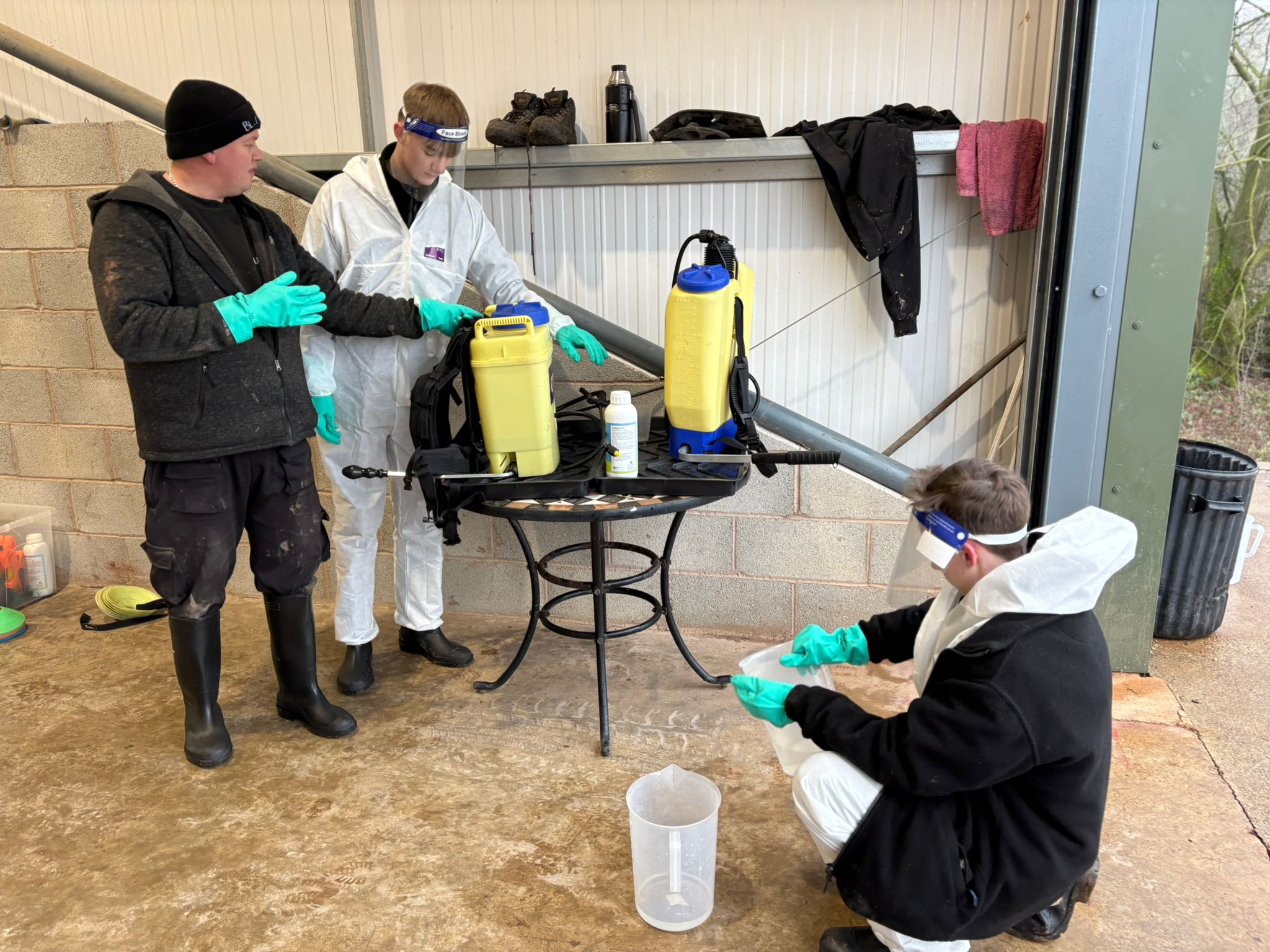
A professional assessment confirmed the Japanese knotweed stand and recommended a targeted treatment programme using spraying and stem injection with a glyphosate-based herbicide, fully documented to provide clarity for all parties.

Outcome

The documented management plan addressed on-site growth and potential cross-boundary risk, enabling the transaction to proceed without delay. Treatment costs were estimated at £7,609.00 + VAT.

Kent JKE case study

Japanese Knotweed in Kent

Frequently Asked Questions

Yes. We carry out Japanese Knotweed excavation and removal throughout Kent, including Maidstone, Canterbury, Ashford, Dartford, Tonbridge, and Dover. We work on residential gardens, commercial properties, and redevelopment sites, handling both small and large-scale projects.

Japanese Knotweed is increasingly found across Kent, especially near riverbanks, railway lines, motorway embankments, brownfield land, and older industrial sites. Coastal areas and properties near waterways are also at higher risk due to historic soil movement.

Excavation is often recommended in Kent when:

  1. A property sale or mortgage is being arranged

  2. Knotweed is close to buildings, walls, or drainage systems

  3. Construction, landscaping, or development work is planned

Excavation offers a fast, permanent solution, ensuring that knotweed is fully removed from the property.

All removed knotweed material is classified as controlled waste under UK law. We transport it using licensed waste carriers and dispose of it at authorised landfill facilities that accept invasive plant material, in compliance with Kent County Council regulations.

Before excavation, we conduct a site-specific risk assessment, particularly in densely populated areas, terraced housing, or properties near shared land or footpaths. Excavation is carefully managed to prevent spread and minimise disruption to neighbours.

Yes. Our excavation projects in Kent can include a long-term company guarantee, with the option of an insurance-backed guarantee. These are widely accepted by mortgage lenders, solicitors, and surveyors, providing peace of mind for property transactions.

Book a professional survey today.