- 0800 1337 444
- info@japaneseknotweedexpert.co.uk
- United Kingdom
If you’re buying, selling, or managing land in Greater Manchester, Japanese knotweed, as an invasive plant species, may not seem urgent at first—but it can quickly become a priority once a transaction is underway.


In and around Manchester, land and property are often shaped by layers of historic use, dense redevelopment, transport infrastructure, and proximity to waterways. On many sites, what lies beneath the surface matters as much as what’s visible above.
In these settings, Japanese knotweed is rarely identified through assumption or obvious growth alone. It usually comes to light during site inspections, feasibility reviews, or environmental checks, where the main concern is how it might affect sequencing, planning, and onward decisions.
On constrained or previously developed sites, uncertainty can quickly become a programme risk. Until the position is clearly defined, assumptions tend to fill the gap—delaying approvals, triggering extra scrutiny, or forcing reactive decisions later in the process.
Whether Japanese knotweed remains a manageable constraint or becomes a disruptive issue often depends on how early it is identified and how proportionately it is addressed within the wider site context.
In and around Manchester, land and property often sit within a mixed urban landscape shaped by historic industry, transport corridors, waterways, and incremental redevelopment.
In these settings, Japanese knotweed is rarely identified through assumption or visible growth alone. It usually comes to light during site inspections, feasibility reviews, or environmental checks, where understanding potential constraints matters more than the plant itself.
Common trigger points include:
At this stage, the focus is not on removal alone, but on identifying where Japanese knotweed is present, how it interacts with the site, and what constraints it may create.
Identifying Japanese knotweed early allows proportionate, planned responses. If discovered later, it can cause delays, reactive decisions, or extra scrutiny—especially near neighbouring land or sensitive features. The real risk in Bury is unclear boundaries and unmanaged assumptions, not the plant itself.
Japanese knotweed does not automatically prevent the use, sale, or development of land in Bury when it is properly assessed and managed.
However, unmanaged or undocumented cases can draw increased scrutiny—particularly on sites near waterways, access routes, or neighbouring plots, where the risk of spread needs to be clearly understood.
Unmanaged cases can lead to more issues including a financial loss, as a Japanese Knotweed infestation impacts property value, as soon as it is identified, a management plan needs to be put into place.
We provide professional Japanese knotweed surveys, treatment and removal services throughout Greater Manchester, including Wigan, Rochdale, Altrincham, Bolton, Bury, Oldham, Salford, Stockport, Trafford and surrounding towns and villages.
If Japanese knotweed has been identified on your Manchester site—or flagged as a potential constraint—the most effective next step is to get site-specific advice tailored to your project’s stage and context.
We establish whether a formal Japanese knotweed assessment is actually needed, based on your specific situation rather than assumptions.
We advise on what type of reporting would be appropriate, proportionate and acceptable to lenders, solicitors or planners.
By dealing with likely questions at the right stage, we help prevent delays, disputes or last-minute requests later in the process.
Handled early, knotweed becomes a managed factor, not a lingering constraint.
A private commercial site in Bury, located next to a river and within an urban area shaped by historic land use and intermittent site management.
A survey found three Japanese knotweed stands of around 5 m² each, over five years old, located near the river, the watercourse boundary, and a container. Their proximity to high-risk features and neighbouring growth increased the risk of spread if not fully managed.
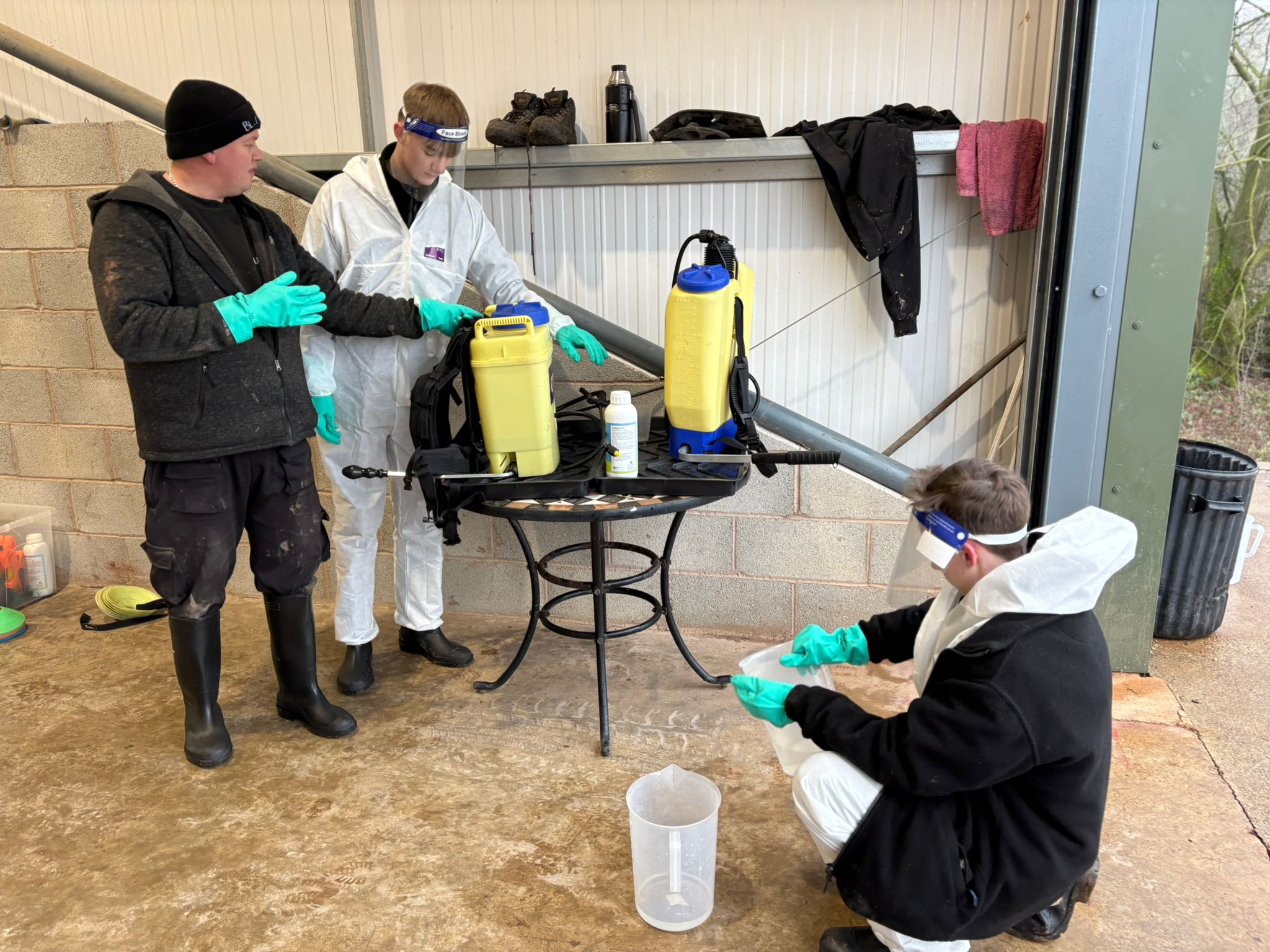
The assessment recommended coordinated treatment across all affected areas, using targeted spraying and stem injection with a glyphosate-based herbicide. The plan, suitable for sensitive locations, was documented to support site management and future oversight.
By identifying the full extent of the infestation and implementing a proportionate treatment plan, the site was brought under controlled management. This reduced the risk of further spread and allowed the client to proceed with confidence.
(Estimated treatment cost: £3,683.35)
No. Japanese knotweed does not automatically prevent development. When it is properly identified, assessed, and managed, development can proceed in line with planning and environmental requirements.
On urban and brownfield sites, knotweed is typically identified through site inspections, Phase 1 assessments, or environmental reviews rather than visible spread. This allows constraints to be considered before programmes are committed.
Yes. Sites near waterways, rail corridors, or former industrial land often receive closer scrutiny because unmanaged disturbance can increase the risk of spread beyond the site boundary.
Unaddressed uncertainty can lead to delays, additional scrutiny, or reactive measures later — often at greater cost and with less flexibility.
Not in all cases. However, planners may expect the risk to be understood and appropriately managed, particularly where knotweed could affect neighbouring land or future site use.
Yes. Treatment zones, exclusion areas, or monitoring requirements may need to be factored into sequencing to avoid disruption later in the programme.
No. The appropriate response depends on extent, location, and programme timing. In some cases, control and management can be phased alongside development.
Developers, planners, funders, environmental consultants, and project managers may all rely on the documented position when making decisions.