- 0800 1337 444
- info@japaneseknotweedexpert.co.uk
- United Kingdom

Bohemian knotweed is an emerging invasive plant in the UK and is becoming a growing concern for property owners, developers, and surveyors. This hybrid species combines the aggressive spread of Japanese knotweed with the size and strength of giant knotweed, making it even more difficult to control.
Recent sightings across the UK, including in Buckinghamshire, highlight the importance of early identification and professional treatment. As awareness increases, Bohemian knotweed is being recognised as a serious invasive weed that should not be ignored.

Bohemian knotweed (Fallopia × bohemica) is a hybrid plant formed by the cross pollination of Japanese knotweed (Reynoutria japonica) and giant knotweed (Reynoutria sachalinensis).
This combination gives the plant traits from both parent species. It often grows faster, spreads more aggressively, and adapts well to different environments, making it particularly invasive.
Like other knotweed species, it spreads through underground rhizomes. These roots can travel several metres from the original plant and regrow from even small fragments, making removal difficult without proper treatment.
Bohemian knotweed can be difficult to identify because it looks very similar to Japanese knotweed. However, there are a few key features to look for:
Because of these similarities, it is easy to misidentify the plant. A professional survey is often the best way to confirm whether you are dealing with Bohemian knotweed.
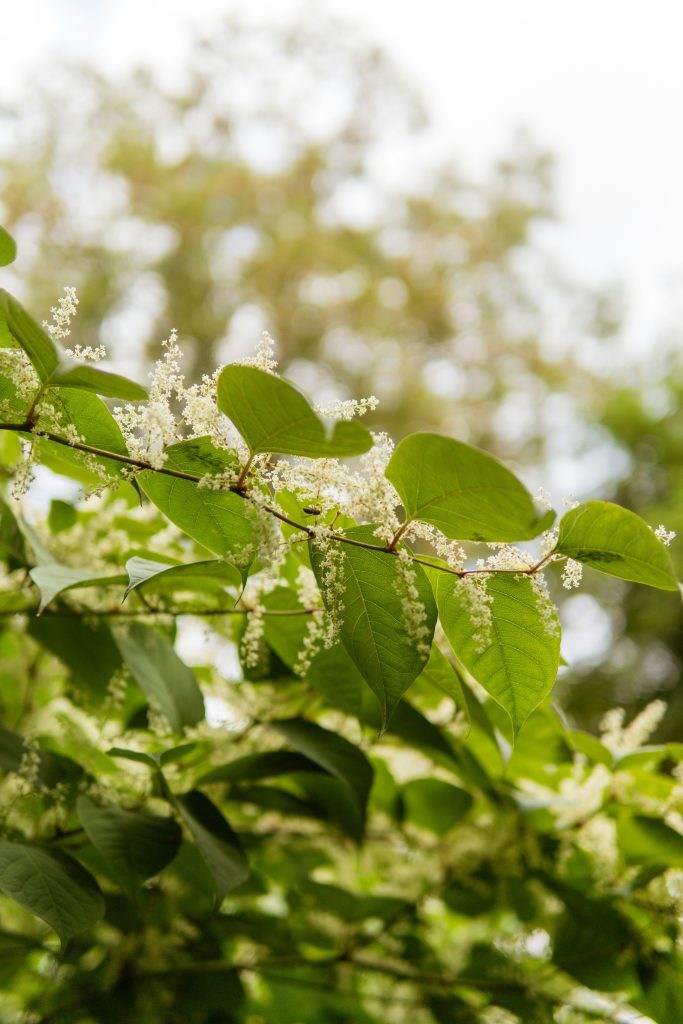
Bohemian knotweed poses many of the same risks as Japanese knotweed, and in some cases, it can be even more aggressive.
Its underground rhizomes can spread beneath structures and hard surfaces, exploiting cracks in materials such as concrete, brickwork, and drainage systems. Over time, this can lead to structural damage and costly repairs.
It can also affect property value and cause complications during property sales, particularly if the plant is not identified or treated early.
Because it is a hybrid, Bohemian knotweed may also be more resilient than its parent species, making it harder to control using standard treatment methods.
Removing Bohemian knotweed requires a planned and professional approach. Simple cutting or digging is not effective and can often make the problem worse.
The most common treatment methods include:
Herbicide Treatment
Targeted herbicide programmes, often using glyphosate based treatments, can control the plant over time. However, this usually requires multiple applications over several growing seasons.
Excavation and Removal
For more severe infestations, excavation is often the most effective solution. This involves removing all contaminated soil and rhizome material to prevent regrowth.
Professional Management Plans
A tailored knotweed management plan will assess the extent of the infestation and recommend the best treatment approach. This helps ensure long term control and reduces the risk of the plant returning.
Attempting to remove Bohemian knotweed without professional advice can spread the rhizomes further, making the infestation more difficult to manage.

One of the main concerns with Bohemian knotweed is its ability to spread and adapt. As a hybrid species, it may produce viable seeds in some cases, unlike Japanese knotweed which mainly spreads through rhizomes.
This means it can spread both underground and, potentially, through seed dispersal, increasing the risk of new infestations.
If Japanese knotweed and giant knotweed are present in the same area, cross pollination can occur. This can lead to the formation of new Bohemian knotweed plants, making early treatment even more important.
If you think you have Bohemian knotweed on your property, it is important to act quickly. Early identification and treatment will reduce the risk of spread and help keep costs under control.
A professional knotweed survey will confirm the species, assess the extent of the infestation, and provide a clear treatment plan.
If left untreated, Bohemian knotweed can lead to property damage, legal issues, and delays during property transactions.

If you suspect Bohemian knotweed, Japanese knotweed, or giant knotweed, our specialists are here to help.
We offer:
Taking action early is key. The sooner knotweed is identified and treated, the easier it is to control and the lower the overall cost.