- 0800 1337 444
- info@japaneseknotweedexpert.co.uk
- United Kingdom
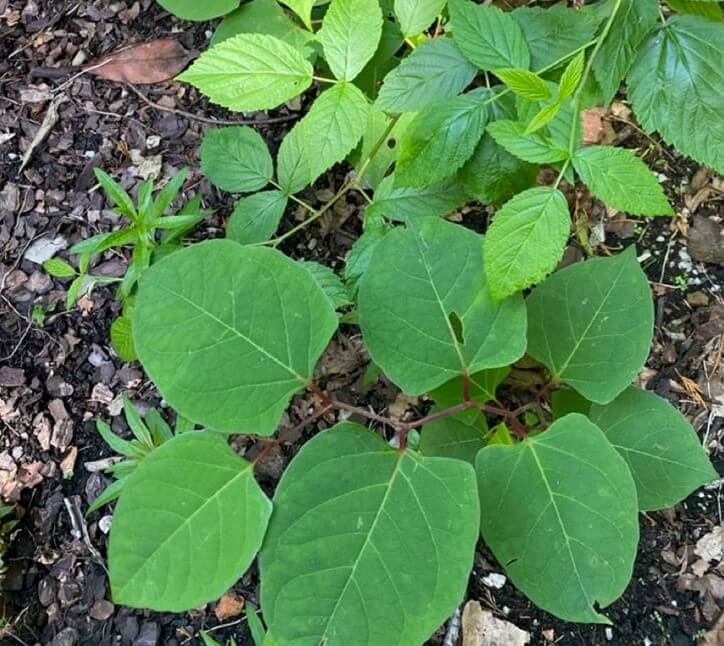
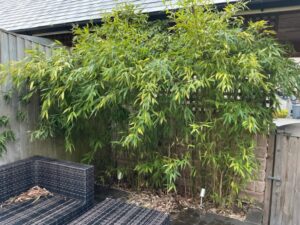
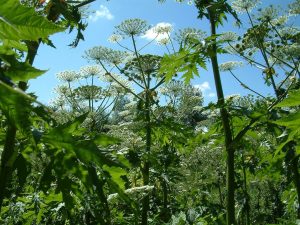
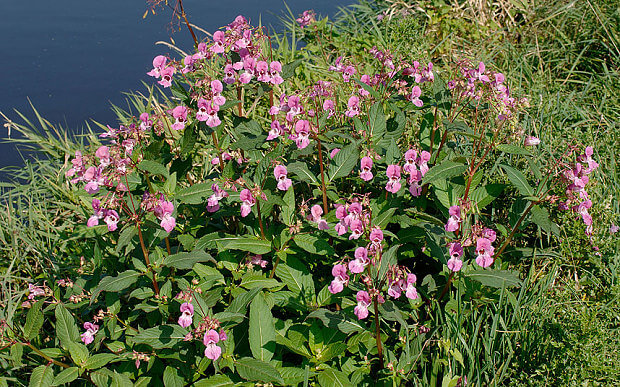
When invasive plants are involved in a legal dispute, opinion isn’t enough. Courts require independent, procedurally compliant expert evidence prepared in accordance with Civil Procedure Rules Part 35. We provide Part 35 expert reports relating to Japanese knotweed, bamboo, giant hogweed, Himalayan balsam & other invasive plants — for use in litigation, pre-action disputes & formal resolution.


A Part 35 report is an independent expert report prepared for legal proceedings, governed by strict procedural rules.
Its purpose is not to support a party’s position. Its duty is to assist the court.
That independence — combined with transparent methodology and clear separation of fact and opinion — is what gives a Part 35 report evidential weight.
Part 35 experts are typically instructed where invasive plants are central to disputes involving:
In these cases, how evidence is gathered, framed, and presented is as important as the findings themselves.
A compliant Part 35 report must:
Reports that fail to meet these standards risk being challenged, limited, or excluded.
When instructed under Part 35, we act solely as independent experts.
This means:
Our role is to establish facts, assess risk, and explain technical matters clearly — so the court can reach an informed decision.
When instructed under Part 35, our role is not to advise on outcomes, but to assist the court by addressing defined technical questions, typically including:
| Assessment point | What is considered |
|---|---|
| Presence and activity | Whether invasive plant growth is present, historic or currently active. |
| Origin and pathways of spread | The likely source of growth and mechanisms of spread, including interaction across boundaries. |
| Foreseeability | Whether spread was reasonably foreseeable at the material time. |
| Reasonableness of actions | Whether actions taken, or not taken, were reasonable and proportionate in the circumstances. |
| Attribution of loss or risk | Whether any alleged loss or risk can be technically attributed to the presence of the plant. |
| Appropriateness of remediation | Whether proposed remediation measures are necessary, excessive or insufficient. |
Each report is structured to address these matters explicitly, with clear separation between observed fact, assumed fact, and expert opinion, as required by CPR Part 35.
Our P35-compliant Expert Witness reporting services are available in a wide range of locations — see our coverage areas here.
We provide Part 35 expertise relating to:
A properly prepared Part 35 report is not about persuasion.
It is about controlling litigation risk.
Specifically, it helps prevent:
Clear expert evidence often narrows disputes before trial — or determines whether proceedings are viable at all.
When acting as a Part 35 expert, our sole duty is to the court, not to the instructing party.
To preserve independence:
We are instructed by:
(via legal representation)
Early instruction often prevents escalation. Late instruction often clarifies it.
The scope of instruction is agreed and the legal questions to be addressed are defined in writing.
This includes site inspection, relevant documents, plans and any disclosure material provided.
A formal expert report is produced in full compliance with CPR Part 35, including the required declarations.
Any written questions under CPR 35.6 are considered and responded to formally.
Joint discussions with other experts may take place, followed by preparation of a joint statement.
The report may be relied upon at settlement, mediation or trial, as directed.